To Our Customers,
I thought it was important as the CEO/Founder of Askinosie Chocolate to speak up again about this very important issue. Chances are, you’ve seen last week’s viral Washington Post article, “Cocoa’s Child Labors” detailing how much of the world’s commercially produced chocolate is made from child labor (a lot). Sadly, this fact is not new to us. In fact, when I founded Askinosie Chocolate in 2005 I was inspired to base our company on Direct Trade practices specifically to combat the issues of child and slave labor in cocoa.
I have four thoughts on this issue as it relates to Askinosie Chocolate.
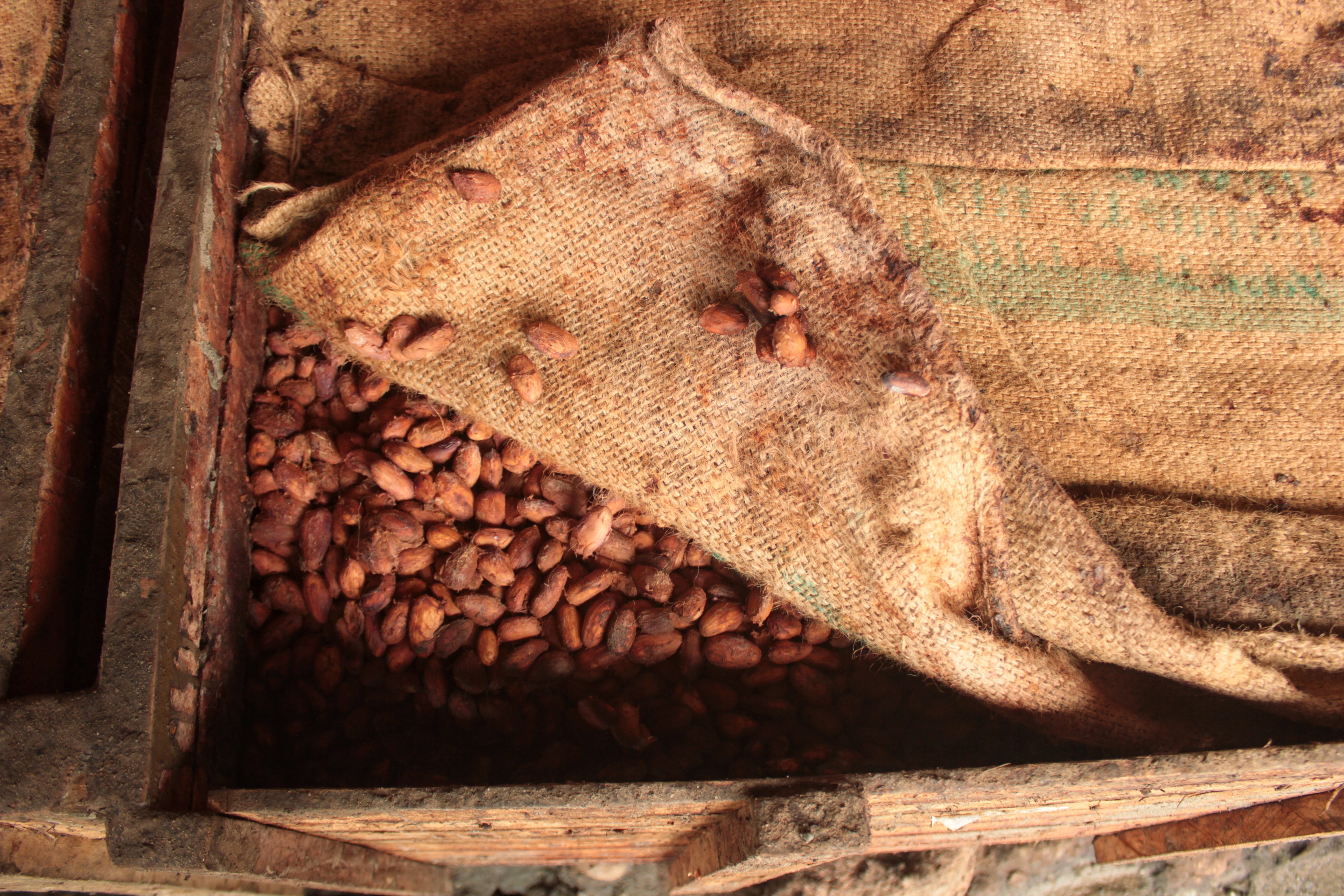
1. I’ve never seen any evidence of child labor where we source our cocoa beans in 14 years.
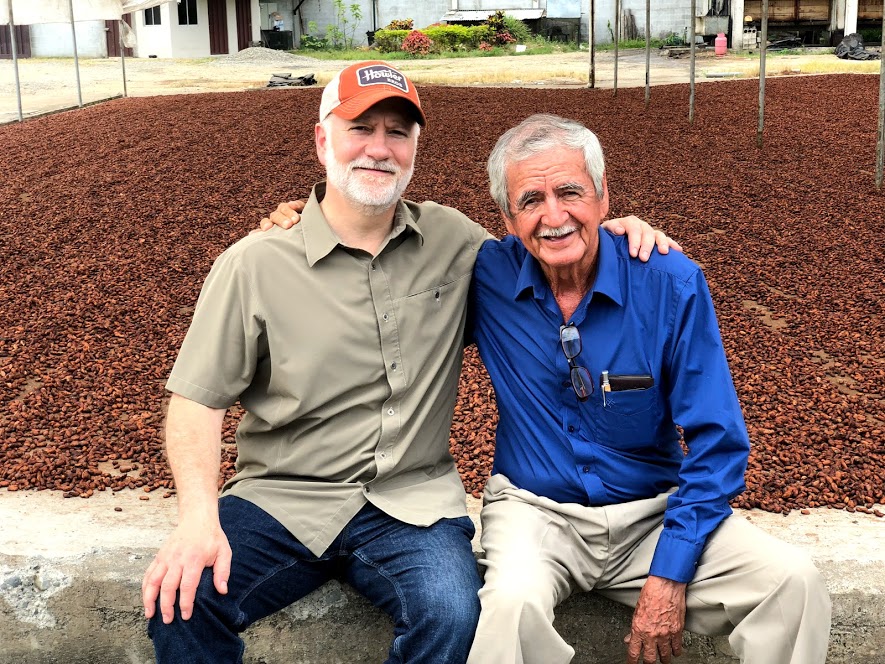
A few weeks ago I returned from my 43rd origin trip since founding the company. We currently source our cocoa beans in Tanzania, the Philippines, Ecuador and the Amazon (near the border of Peru and Ecuador). I have been visiting our partner farmers and their farms annually since 2005. Some of our Direct Trade relationships are over a decade long. I can report that I’ve never, not once, seen anything resembling child labor. We’re proud that we can ensure that our chocolate is made without slave labor– child or otherwise. This is Direct Trade, which we’re proud to pioneer in our industry. Lawren Askinosie, our CMO and my daughter, works hard sharing these stories on our website and on all of our social media channels. It’s also worth noting that our farmer cocoa bean contracts prohibit the farmers from using child labor. Could I have missed something? Of course, but over the arc of time in all of these places it is unlikely. Through the years you’ve come to trust us in the same way that I have come to trust our farmer partners when they tell me they do not use child labor.
2. The issue of child labor in cocoa is a subset of a larger farmer economic problem.
I’ve previously written here about the complex web of extreme poverty facing most of the world’s cocoa farmers. Suffice it to say that many cocoa farmers in West Africa (the epicenter of the Washington Post story) are living just above $1 per day. You read that right – one dollar. That is way below the United Nations definition of “extreme poverty” which is $1.25 per day. It is no wonder that cocoa farmers living as modern day slaves “hire” children to work on their land to harvest. The Big Cocoa companies – the ones profiled in the Washington Post article (and others) – can build hospitals and schools in West Africa as consumer facing marketing campaigns but that will not minimize the fact that the price of cocoa has not changed in over 30 years when adjusted for inflation. The price is probably lower now than 30 years ago.
3. We wrote a book detailing our Direct Trade sourcing practices.
I mention this not to sell more books but to say that I’ve spoken, thought and written about the issues of cocoa bean sourcing and supply chain a lot. Lawren does a great job of distilling the tenets here. For brevity the headlines are: (1) we start with excellent cocoa beans of the highest quality, (2) we are financial transparent, open our books, and profit share with farmers, (3) our farmer partners practice sustainability and responsibly farm their crop, (4) we ask our farmers to use socially sound practices like fair wages to laborers and that they use no child or slave labor and (5) we visit our farmer partners annually and have since day one and chronicle each trip.
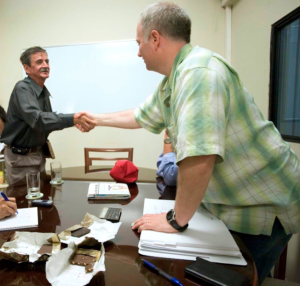
In practice this might mean something as simple as helping a small farmer group open a bank account at said bank so we can actually wire them money directly. Or it might mean something as complicated as assisting a farmer group in becoming their own exporter thus reducing middle men and women in the supply chain so they can keep more money.
Speaking of money, on average over the last 13 years we’ve paid our farmer partners 55% more than they would have otherwise received at “farm gate.” This is real money. You can read all about it in our Transparency Report. It’s not moving the needle in the world of cocoa but it is a place of beginning. It’s a little lamp that we can shine together.
Why? What’s this all for? It’s the right thing to do and it makes for better tasting chocolate. I could sum it up in two words: mutuality and kinship.
4. We not only pay more for cocoa beans but provide positive opportunities for children where we source our beans.
We sponsor and staff 3 Empowered Girls clubs and 2 Enlightened Boys clubs (which we founded because we could not find one) in Tanzania where we source our cocoa beans. Several thousand young people have graduated from these clubs where we teach life skills, self esteem, visioning, and reproductive education just to name a few topics.
We have a feminine hygiene project in which we provide all of the Empowered Girls club members with pads, underwear and soap so they can attend school during those times. Previously, they had to stay home from school without access to these basic necessities.
We’re building a pre-school right now in Tanzania for 300 little ones because this early childhood education is a vision point for our farmer partners. We’re funding construction and they’re running the school which will be open in January 2020.
We’ve provided over 1.1 million school lunches to malnourished students in Tanzania and the Philippines without any donations, all 100% sustainable through our A Product of Change project. We’re now supplying school lunches to 400 students a day at an elementary school in the Philippines with the sale of Tableya. We monitor height, weight and school attendance.
We founded a program called Chocolate University when we started the company to engage students in our neighborhood. We have an elementary, middle, summer and high school program inspiring young people that business can be a force for good in the world and that there’s a world beyond Springfield, Missouri. The high school program is an intensive business immersion experience for local students that we actually take to Tanzania to meet the farmers we do business with and see how all of this works from a front row seat.
I presented this topic just last week to students in our C.U. summer school program so they can learn the realities of child labor in cocoa farming.
Wish there was something you could do? Luckily, there are dozens of craft chocolate makers whose bars you can purchase to satiate your chocolate fix while also ensuring it was sourced ethically. Vote with your dollars! Demand more of the companies you buy from. We all deserve better, especially the men, women and children on whose backs most of the world’s chocolate is made. From the bottom of our hearts, thank you for taking the time to read this and for caring about where your chocolate comes from. We couldn’t do what we do without your support of our mission.
Want to dig deeper . . .
- Learn how you can use the principles of Direct Trade in your business then read our book, Meaningful Work; especially chapter 4.
- Read the Washington Post article.
- Watch this Facebook video where I try to explain the nuances of traceability and transparency throughout the cocoa supply chain and why we should think twice before purchasing those $2 chocolate bars. Basically what I’ve attempted to say here above.
- Our local NPR affiliate did a nice story you can find here in case you want to listen.
- Read my previous post here detailing the income of farmers in West Africa.
- Follow the research and advocacy of Cocoa Barometer much of which informs my own understanding of the financial plight of cocoa farmers in West Africa.